Source Pharmaceutical Isolator Vhp Generator for Pharma, Food, and Clinical Use
Find and compare 20 pharmaceutical isolator vhp generator options from verified suppliers. Evaluate key specifications such as sterilization capacity, automation levels, and material composition to select the right equipment for your industrial or clinical facility.
Key considerations
Products List


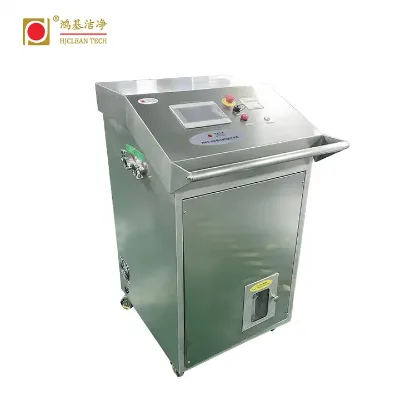
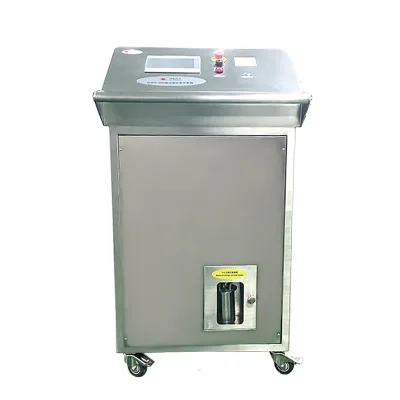


Comprehensive Sourcing Guide
Pharmaceutical Isolator Vhp Generator Sourcing Guide
Procuring a Vaporized Hydrogen Peroxide (VHP) generator for pharmaceutical isolators requires a rigorous evaluation of how the unit integrates with existing containment systems to ensure effective decontamination without compromising product integrity. The core functionality of these generators relies on precise control of vaporization speed and air flow to achieve the necessary biological decontamination capacity within the isolator volume. Buyers must prioritize units that offer fully automatic control systems to minimize human error during the sterilization cycle, ensuring consistent performance across repeated operations in critical environments like clinical diagnosis or forensic science.
The selection process must also account for the specific material compatibility and safety features required for high-level containment, such as OEB 5 protection levels where exposure limits are extremely low. Sourcing decisions should be driven by the need for a system that not only meets the immediate sterilization needs but also provides professional customization options to fit unique facility layouts and process requirements. Understanding the distinction between standard models and those offering optional components, such as RTP valves, is essential for aligning the equipment with specific operational workflows and safety protocols.
Product Scope and Observed Listing Signals
The market for pharmaceutical isolator VHP generators presents a diverse range of models, from compact units with specific dimensions like 210270280mm to larger industrial systems measuring 6007201150mm. Observed listings indicate a price range between 5000 and 200000 USD, reflecting the variance in capacity, automation levels, and material construction. While the minimum order quantity (MOQ) for these specialized units is typically one, the significant price disparity suggests that buyers must carefully distinguish between basic sterilization units and advanced systems designed for complex applications in the chemical or cosmetic industries.
Listing signals reveal that manufacturers often provide units constructed from high-grade materials such as 316L stainless steel or PTFE to ensure resistance to corrosion and chemical degradation. Packaging standards vary from wooden cases to inner water-proof bags within sea-worthy outer cases, indicating that logistics and protection during transit are critical considerations for international procurement. Buyers should note that while some models are labeled with specific series names like VHPS-50 or MY-Sterilizer, the actual capabilities, such as vaporization speeds of 0-5g/Min and air flow rates of 60m3/H, must be verified against the specific isolator volume to ensure effective decontamination.
Technical Specifications to Verify
When evaluating technical specifications, the primary focus must be on the vaporization speed and air flow capacity to ensure the generator can effectively treat the isolator volume within the required cycle time. A vaporization speed of 0-5g/Min and an air flow of 60m3/H are observed parameters that must be matched against the specific biological decontamination capacity, which can range up to 6LG for certain models. Buyers should verify that the machine power, often listed as 1kw, is sufficient for the intended application and that the voltage requirements, whether 220V or 380V, align with the facility's electrical infrastructure to prevent operational failures.
Precision and control mechanisms are equally critical, with many units featuring fully automatic or computerized control modes and LCD displays for real-time monitoring. The presence of high-precision components ensures that the VHP residue levels can be maintained at safe thresholds, such as 1 Ppm, which is vital for protecting sensitive pharmaceutical products and personnel. Additionally, the inclusion of sterilization information recording and printing capabilities allows for robust data integrity, a requirement for industries like food safety and clinical diagnosis where traceability and audit trails are mandatory for regulatory compliance.
Compliance and Safety Documentation
Compliance documentation is a non-negotiable aspect of sourcing VHP generators, with certifications such as ISO, GMP, CE, and FDA serving as primary indicators of quality and safety. The observed listings frequently cite GMP compliance, which is essential for pharmaceutical applications, alongside ISO standards that validate the manufacturing process and quality management systems. Buyers must ensure that the supplier provides valid, up-to-date certificates that specifically cover the model being purchased, as compliance status can vary between different product lines and manufacturing batches.
Safety documentation must also address the high protection levels required for handling hazardous materials, with some units designed to meet OEB 5 standards where exposure limits are less than 1ug/M³. The material composition, often utilizing 316L stainless steel or PTFE, plays a crucial role in maintaining these safety standards by preventing chemical reactions and ensuring durability in harsh environments. Procurement teams should request detailed safety data sheets and operational manuals that explicitly confirm the unit's ability to maintain low residue levels and its compatibility with the specific isolator environment to mitigate risks associated with chemical exposure.
Cost Drivers and Commercial Terms
The cost of a pharmaceutical isolator VHP generator is driven by several factors, including the level of automation, the quality of construction materials, and the extent of customization provided. Units with fully automatic control systems and professional customization options typically command higher prices within the observed 5000-200000 USD range, reflecting the added engineering and manufacturing complexity. Buyers should analyze the total cost of ownership, considering that higher initial investment often correlates with better long-term reliability, lower maintenance costs, and reduced risk of process failure in critical production environments.
Commercial terms such as warranty periods and after-sales service are significant cost drivers that can impact the overall value proposition of the purchase. A standard warranty of 2 years is observed in the market, but the scope of this warranty and the availability of field installation, commissioning, and training services are critical differentiators. Procurement strategies should prioritize suppliers who offer comprehensive support packages, as the complexity of VHP systems often requires specialized expertise for initial setup and ongoing maintenance to ensure consistent performance and regulatory adherence.
Supplier Qualification and Quality Control
Supplier qualification should extend beyond basic certification checks to include an assessment of their manufacturing capabilities and quality control processes. The use of high-grade materials like 316L stainless steel and PTFE indicates a commitment to quality, but buyers must verify that these materials are sourced and processed according to strict standards to ensure they meet the rigorous demands of the pharmaceutical industry. It is essential to confirm that the supplier has a proven track record in delivering customized solutions, as the ability to tailor the generator to specific isolator dimensions and operational needs is a key indicator of technical competence.
Quality control measures should be validated through the supplier's adherence to international standards such as ISO and GMP, which are frequently cited in product listings. Buyers should request evidence of their quality management systems, including how they handle product testing, inspection, and final verification before shipment. The observation of various packaging standards, from wooden cases to sea-worthy outer packaging, suggests that logistics and product protection are part of their quality assurance process, but explicit verification of their handling procedures is necessary to prevent damage during transit.
Long-Term Procurement Checks
Long-term procurement success depends on establishing a robust framework for ongoing performance monitoring and supplier relationship management. Buyers should implement regular checks to ensure that the VHP generator continues to meet the required sterilization parameters, such as maintaining vaporization speeds and air flow rates within the specified ranges. The availability of professional customization and after-sales support, including field installation and training, is crucial for adapting the equipment to evolving process requirements and maintaining operational efficiency over the product's lifecycle.
Sustainability and adaptability are also key considerations for long-term procurement, as the pharmaceutical industry is subject to changing regulations and technological advancements. Buyers should verify that the supplier can provide updates or upgrades to the control systems and software to ensure continued compliance with new standards. Additionally, the ability to source replacement parts and maintain the high protection levels required for OEB 5 environments is essential for minimizing downtime and ensuring that the sterilization process remains effective and safe for years to come.
FAQs
What certifications do pharmaceutical isolator VHP generators have?
These generators typically hold ISO, GMP, and CE certifications to ensure regulatory compliance. Some models also feature FDA compliance for broader market acceptance. These credentials verify that the equipment meets strict pharmaceutical and industrial safety standards during the sterilization process.
How is the sterilization performance measured for these units?
Performance is often rated by biological decontamination capacity, such as 6LG, and high protection levels like OEB 5. The vaporization speed ranges from 0-5g/min with an air flow of 60m3/h. These metrics ensure effective sterilization for sensitive environments.
Can the equipment be customized for specific industrial needs?
Yes, professional customization is provided for various applications including pharmaceutical, food, and cosmetic industries. Manufacturers offer customized dimensions and specifications to fit unique facility requirements. This flexibility ensures the generator integrates seamlessly into existing production lines and isolator systems.
What materials are used in manufacturing these VHP generators?
Manufacturing materials typically include stainless steel, specifically 316L, or PTFE for high corrosion resistance. These durable materials ensure longevity and hygiene in sterile environments. The construction supports the rigorous demands of chemical and biological decontamination processes in regulated industries.
What is the typical warranty and after-sales service provided?
A standard warranty of 2 years is commonly offered for these units. After-sales service includes field installation, commissioning, and training to ensure proper operation. This support helps maintain equipment performance and compliance with industry standards throughout the product lifecycle.
How is the product packed for international shipping?
Products are packed in wooden cases or standard export packages with inner waterproof bags. This secure packaging protects the equipment during transit. The packing method ensures the generator arrives in optimal condition, ready for installation and immediate use in the target facility.